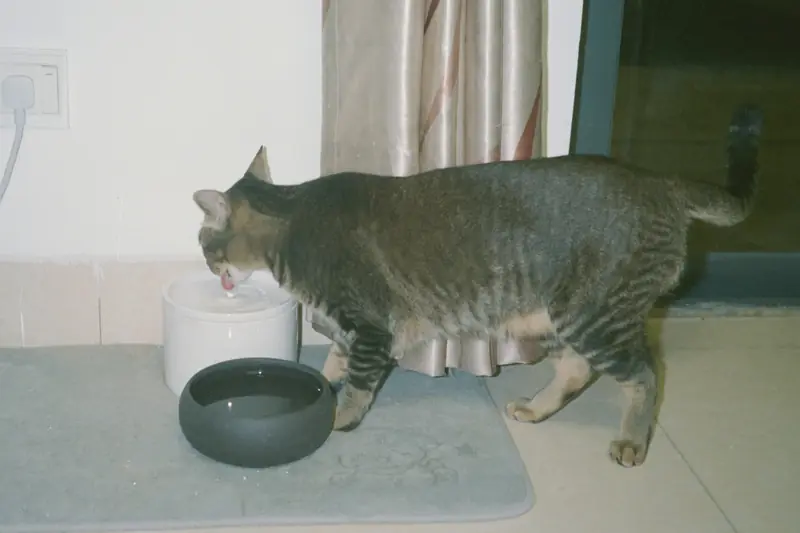
Best Cat Water Fountains
A cat water fountain keeps water moving and refilled, which some cats prefer to a still bowl. The decisions that matter are material, how easy the parts are to wash and what the filters cost. This page is for owners who want to try a fountain, replace a noisy one or set up water for several cats.
Jump to section
What we look for
Capacity
a bigger reservoir means fewer refills, which matters most in a multi-cat home.
Material
stainless steel, ceramic and plastic differ in weight and feel, so pick the one you will wash.
Ease of cleaning
a fountain only helps if you can take it apart and wash it regularly.
Filter type and replacement cost
filters need replacing, so the running cost matters as much as the price.
Pump noise
a humming pump can bother light sleepers and sensitive cats.
Cordless or battery option and low-water shutoff
a shutoff protects the pump, and a cordless model avoids a cord on the floor.
- Sources: manufacturer product pages and manuals, warranty terms, and the Cornell Feline Health Center hydration page for how much cats should drink and how to encourage it.
How to choose the right cat water fountain
Fountains are an easy add-on, but they are not the only way to get a cat drinking. Read cat water fountain vs bowl for the trade-offs and our guide on how much water a cat should drink for the numbers.
Fountains are one of several ways to raise intake. Cornell lists fresh water in easy-to-reach places, preventing conflicts between pets at the bowl, trying a fountain, feeding wet food or adding water, and flavoring the water with a little tuna water or low-sodium broth (Cornell). Cornell also says low water intake is a listed risk factor for lower urinary tract disease (Cornell), which is one more reason to watch how much your cat drinks.
Capacity
Check the capacity column against the number of cats and how often you are home. Cornell gives a daily number of about 4 ounces of water per 5 pounds of lean body weight (Cornell), so a household of several cats can drain a small reservoir fast. A reservoir you must fill daily is fine; one you forget is not. Our hydration guide explains how to work out your own cat's number.
Material
Material is the first column to read. The spec table lists stainless steel, ceramic and plastic, so decide which surface you prefer to wash and handle. Whatever you choose, check the cleaning instructions in the listing, and read the maker's notes on which parts can go in a dishwasher.
Ease of cleaning
Count the parts: a pump, a cover, a bowl and a filter. Fewer pieces and dishwasher-safe parts make weekly cleaning realistic. A fountain you dread cleaning ends up neglected. Follow the maker's cleaning schedule, since it varies by model, and keep the water fresh.
Filter type and replacement cost
Check the filter type and how often the maker says to replace it. Multiply the replacement price by the number of changes in a year to see the real cost. Filters are consumables, so confirm you can buy the same one next year.
Pump noise
Noise figures in the spec table are maker claims, not something we measured. Read the unit carefully, because a decibel number only compares fairly between models that state it the same way. Check how the listing describes the pump.
Cordless or battery option and low-water shutoff
A low-water shutoff stops the pump when the reservoir runs low, which protects it from running dry. Cordless and battery models trade a cord for battery changes, so check the stated run time. Keep any cord out of reach of chewing cats, and follow the maker's safety notes.
Tips for using your cat water fountain
- Offer fresh water in several easy-to-reach places, as Cornell suggests (Cornell).
- In a multi-cat home, Cornell advises preventing conflicts between pets at the water (Cornell), so consider more than one water station.
- Keep water away from the litter box; the AAFP/ISFM guidelines say toileting areas should be away from food and water dishes (AAFP/ISFM).
- Check the Pump noise column as a maker claim, and read the listing for how the maker says to clean the pump.
FAQ
How much water does a cat need?
Cornell says about 4 ounces per 5 pounds of lean body weight per day, which is about one cup for a 10-lb cat (Cornell Feline Health Center).
Do fountains make cats drink more?
They may help some cats, and Cornell notes that preferences vary (Cornell Feline Health Center). Try one and watch what your cat does.
My cat eats wet food. Does it need a fountain?
Wet food can be up to 80% water, so cats that eat it may drink less. Always keep fresh water available (Cornell Feline Health Center).
What are the signs of dehydration?
Cornell lists lethargy, weakness, poor appetite and dry mucous membranes, and in severe cases sunken eyes (Cornell Feline Health Center). See your vet if you notice them.
Related
-
-
Comparison
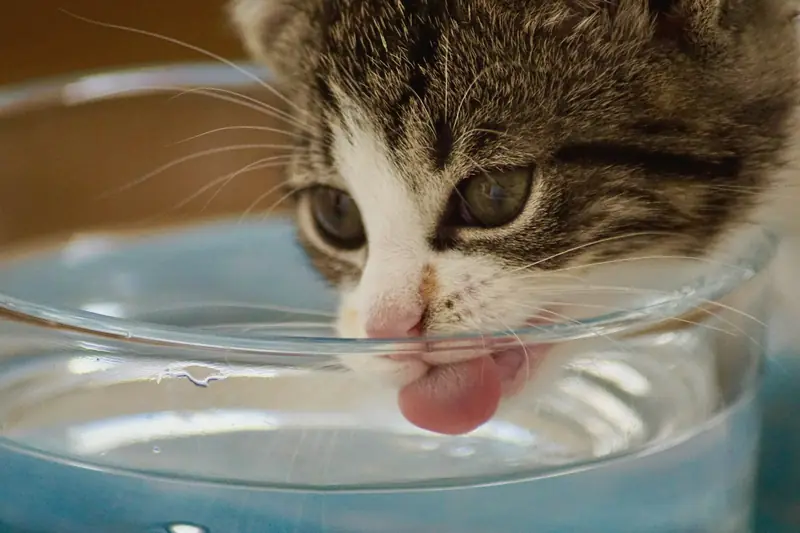
Cat Water Fountain vs Bowl: Which Helps Cats Drink More?
Moving water or a still bowl, and what Cornell says about each.
-
Guide
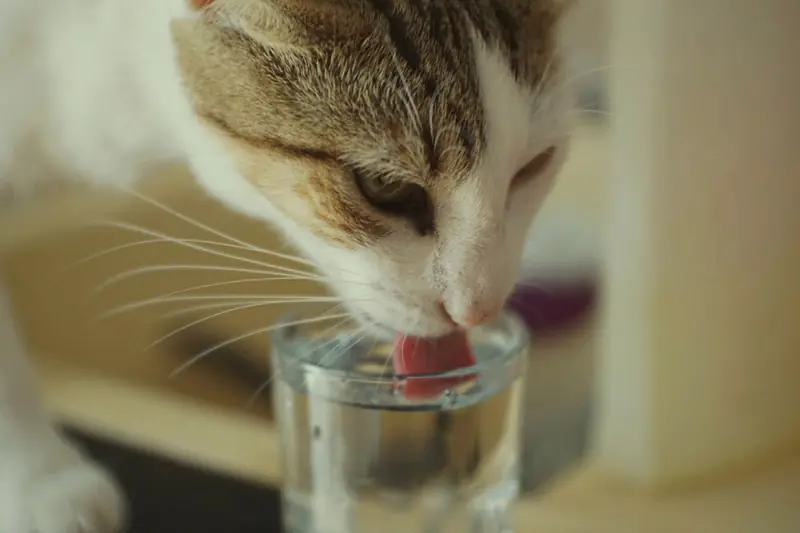
How Much Water Should a Cat Drink? (Vet-Backed Numbers)
The Cornell daily water number, signs of dehydration and ways to help a cat drink.
-
Buying guide
Best Litter Boxes (Large, Low-Entry and High-Sided)
Size, side height, entry height and material for every cat.
-
Guide
Indoor Cat Enrichment: The Five Pillars, Explained
The AAFP/ISFM five pillars turned into a home checklist.
Get the Cat-Ready Home Checklist
A printable checklist built on AAFP, ASPCA, Cornell and FDA guidance, from how many litter boxes you need to which flowers to keep out. Free, and sized for the fridge door.