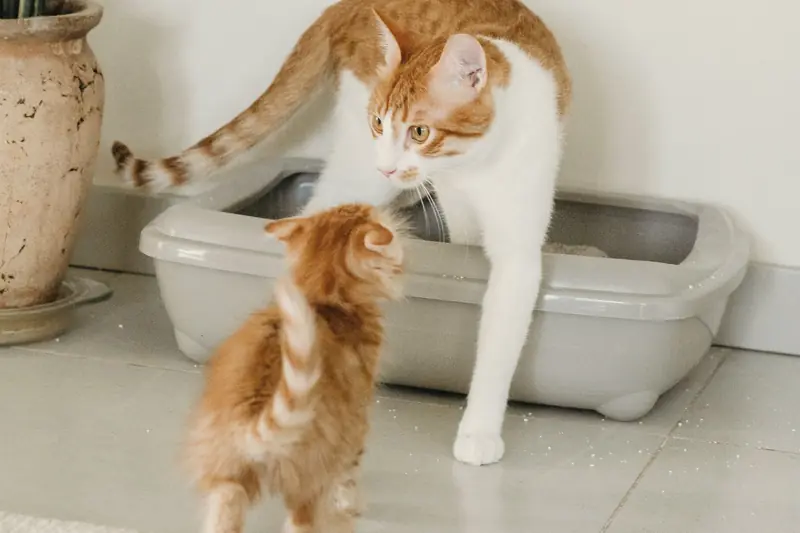
Best Litter Boxes (Large, Low-Entry and High-Sided)
A good litter box is large enough for your cat to turn around, easy to wash and low enough to step into. The big decisions are size, entry height for kittens and seniors, and side height for cats that spray the walls. This page is for owners buying a first box, adding one for a multi-cat home or replacing a box that has gotten smelly.
Jump to section
What we look for
Size
a cat needs room to step in, turn around and dig without stepping out.
Covered or uncovered
most cats dislike lids and hoods, so an open box is the safer first choice.
Entry height
a low entry helps kittens and older cats that find a high step uncomfortable.
Side height
high sides keep litter in and stop spray, but they raise the step-over.
Easy-clean material
you will wash the box every week, so smooth surfaces and few seams make the job quicker.
No liners needed
ASPCA notes that most cats dislike box liners, so a box that works without them is simpler.
- Sources: manufacturer product pages and manuals, warranty terms, and the ASPCA litter box guidance for what a healthy litter setup looks like.
How to choose the right litter box
Start with the cat, not the box: size, age and habits decide the right style. Our litter box setup guide covers how many boxes and where to put them, and self-cleaning vs regular litter box helps if you are weighing an automatic model.
ASPCA advises one box per cat plus one extra, and says three cats need at least four, with multistory homes possibly needing a box on each level (ASPCA). It also says most cats dislike lids and hoods and recommends uncovered boxes. Read the Covered column with that in mind.
If a cat stops using its box, ASPCA says to rule out medical causes first, such as a urinary tract infection, interstitial cystitis or stones. Cornell says urethral obstruction is an absolute emergency, and a complete blockage can be fatal in less than 24 to 48 hours (Cornell). Call your vet at once if your cat strains in the box.
Size
Compare length and width in the spec table against the length of your cat. Plan floor space too, since the box has to fit somewhere quiet. ASPCA advises one box per cat plus one extra (ASPCA), so check that you can place more than one; our litter box setup guide shows where.
Covered or uncovered
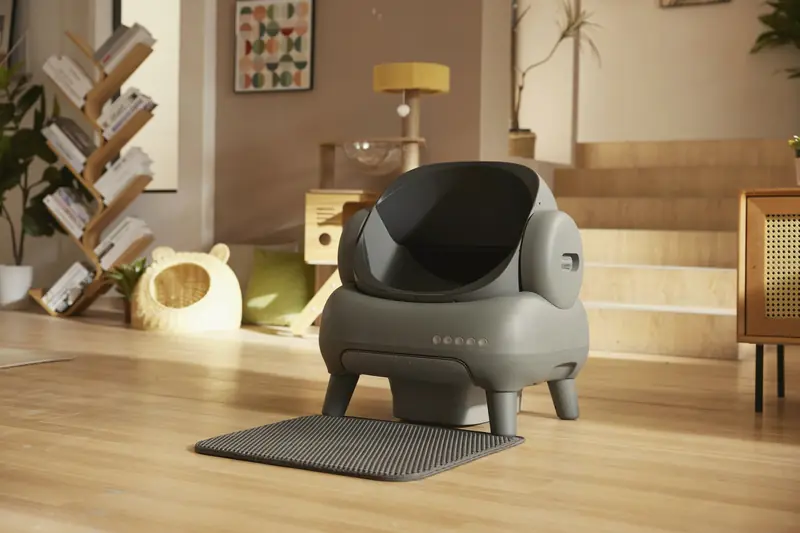
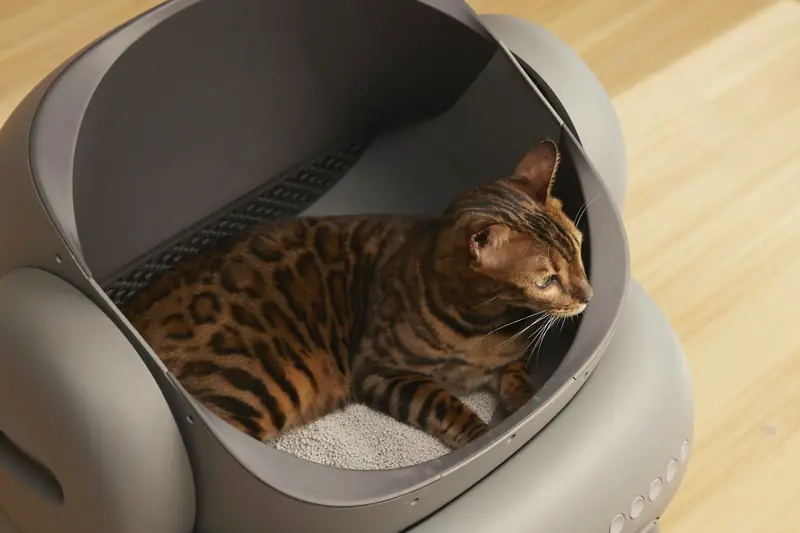
ASPCA says most cats dislike covered boxes and recommends removing the cover (ASPCA). If you choose a covered box for a reason of your own, such as litter scatter, watch whether your cat keeps using it.
Entry height
Check the entry height column. A low or cut-out entry suits seniors and kittens; a tall wall suits a cat that stands and squirts. Some boxes offer both, with a low front and higher sides. If a cat that used the box happily starts to avoid it, rule out a medical cause with your vet.
Side height
Cats that scatter litter or spray the wall do better with taller sides. Check the side height column and the entry height together: a tall wall with a low cut-out is the best of both. A top-entry box saves floor mess but forces a cat to climb, so it may not suit seniors.
Easy-clean material
You will scrub the box every week. ASPCA advises washing it with warm water and unscented soap, baking soda or no soap, then replacing the litter (ASPCA). Look for smooth interior surfaces without deep seams. Our cat litter guide covers what goes inside.
No liners needed
ASPCA recommends removing liners because most cats dislike them (ASPCA). Pick a box that cleans without one: a smooth pan is easier to wash than a liner-dependent design. If you use liners for convenience, watch your cat's behavior and drop them if the cat balks.
Tips for using your litter box
- Fill the box to a depth of 1 to 2 inches; ASPCA says 3 to 4 inches is too deep (ASPCA).
- Scoop at least once a day, and wash the box weekly (ASPCA).
- Place boxes away from food and water dishes, as the AAFP/ISFM guidelines advise (AAFP/ISFM). More in our setup guide.
FAQ
Covered or uncovered litter box?
ASPCA says most cats dislike lids and hoods and recommends uncovered boxes (ASPCA).
How much litter should go in the box?
One to two inches. ASPCA says 3 to 4 inches is too deep (ASPCA).
How many litter boxes do I need?
One per cat, plus one extra. ASPCA gives that rule (ASPCA), and Cornell gives the same one (Cornell Feline Health Center).
Related
-
Buying guide
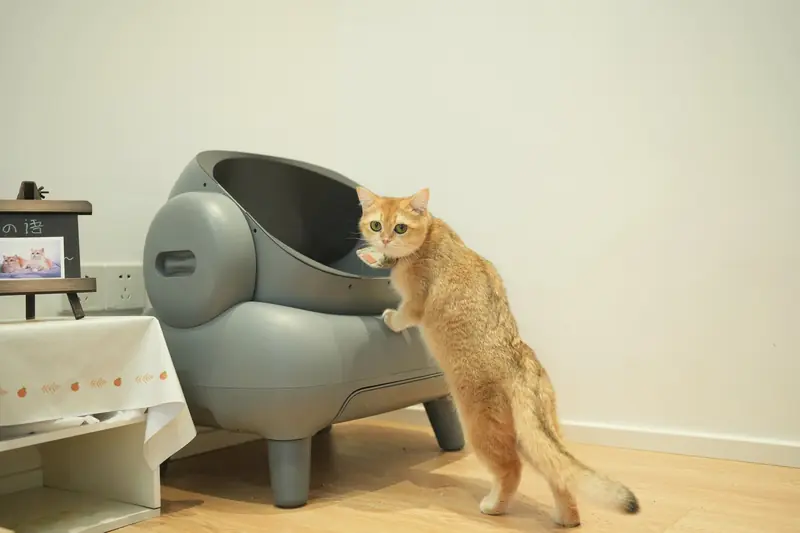
Best Self-Cleaning Litter Boxes
Minimum cat weight, entry height, drawer size and upkeep, side by side.
-
-
Comparison
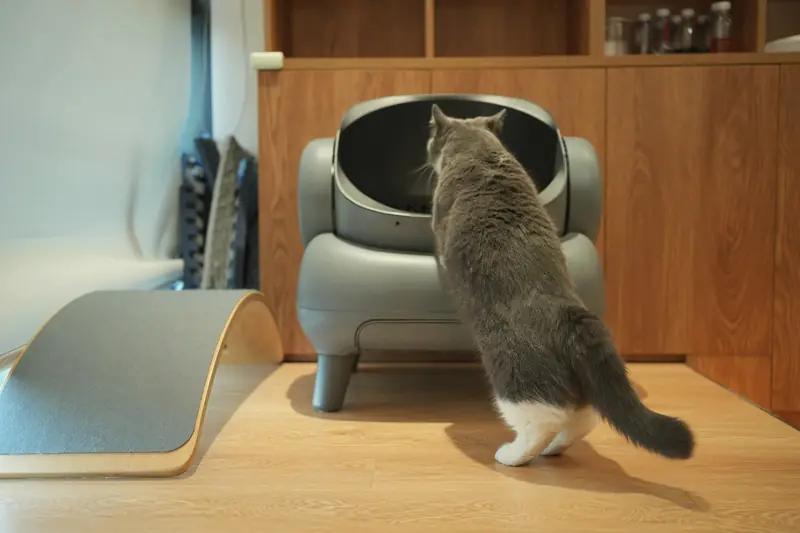
Self-Cleaning vs Regular Litter Box: Worth the Money?
Less scooping and more parts, or a simple pan you control.
-
Guide
Litter Box Setup: How Many, Where, and How Often to Clean
Box count, placement, litter depth and cleaning schedule from ASPCA and Cornell.
-
Comparison
Clumping vs Non-Clumping Cat Litter
What cats prefer, how scooping works and what fits your box.
Get the Cat-Ready Home Checklist
A printable checklist built on AAFP, ASPCA, Cornell and FDA guidance, from how many litter boxes you need to which flowers to keep out. Free, and sized for the fridge door.