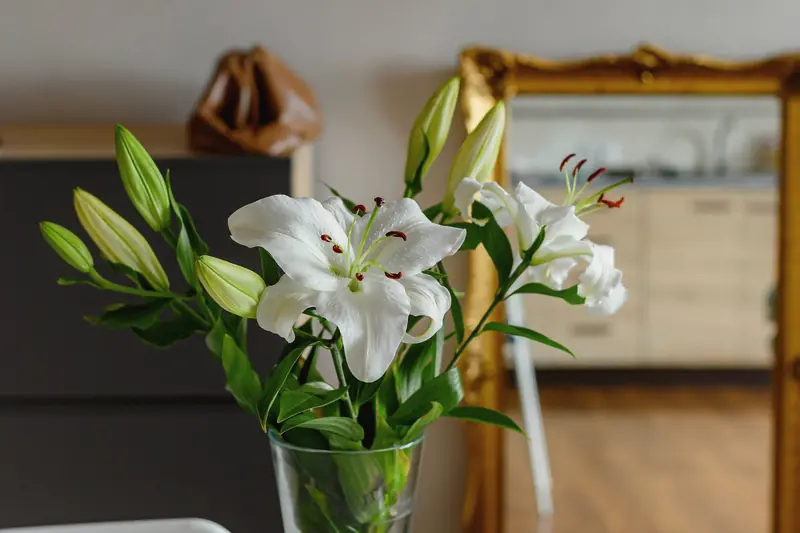
Lilies and Cats: Why Every Part Is Dangerous
Which lilies are toxic to cats, the symptom timeline and who to call.
Quick answer
Yes. True lilies (Lilium) and daylilies (Hemerocallis) are toxic to cats, and the entire plant is toxic: stem, leaves, flowers, pollen and even vase water. Fatal kidney failure can occur in less than 3 days (FDA). If your cat has been near a lily, call your vet or the ASPCA Animal Poison Control Center at (888) 426-4435 right away.
Jump to section
Which lilies are deadly to cats
True lilies, which belong to the genus Lilium, and daylilies, which belong to the genus Hemerocallis, are toxic to cats. The FDA names these types: Asiatic, Easter, Japanese Show, Oriental, Rubrum, Stargazer, Tiger and Wood lilies (FDA). Daylilies are on the list too, even though they look and sound different from a bouquet lily.
| Plant | Genus | Dangerous to cats? |
|---|---|---|
| Asiatic lily | Lilium | Yes |
| Easter lily | Lilium | Yes |
| Japanese Show lily | Lilium | Yes |
| Oriental lily | Lilium | Yes |
| Rubrum lily | Lilium | Yes |
| Stargazer lily | Lilium | Yes |
| Tiger lily | Lilium | Yes |
| Wood lily | Lilium | Yes |
| Daylily | Hemerocallis | Yes |
The table lists the plants the FDA names. It is a list of examples, so if you are not sure about a flower, treat it as unsafe and keep it away from your cat.
Check gifts as well as your own purchases. A mixed bouquet can contain a lily without drawing attention to it. Read the label, ask the florist and, if you cannot identify every flower, leave the bouquet outside the house. If you plan to give flowers to a cat owner, pick something else.
Every part counts: pollen and vase water
The danger is not limited to the petals. The FDA says the entire plant is toxic: the stem, leaves, flowers, pollen and even the water in the vase (FDA). A cat does not need to chew a leaf. The FDA says licking a few pollen grains off its fur can be enough.
That changes what "keeping a lily away from the cat" means. A cat that gets pollen on its fur and licks it off is exposed, and so is a cat that drinks from a vase. The FDA counts the vase water as toxic.
Here is a quick home check:
- Look at every bouquet and potted plant in the house and identify each flower.
- Remove true lilies (Lilium) and daylilies (Hemerocallis).
- Ask whoever sends you flowers to leave lilies out of the arrangement.
- Save the ASPCA Animal Poison Control number in your phone: (888) 426-4435.
The simplest rule is the one that works: do not bring true lilies or daylilies into a home with a cat. If a bouquet arrives that contains one, remove it from the house.
Timeline of symptoms
The FDA describes what owners may see over the first three days (FDA):
| Time after exposure | What may happen |
|---|---|
| 0 to 12 hours | Decreased activity, drooling, vomiting, loss of appetite |
| 12 to 24 hours | Increased urination and dehydration |
| 24 to 72 hours | Kidney failure, fatal without treatment |
The early signs are easy to miss. A cat that is quiet and skips a meal may look like it is having an off day. Do not wait to see if it passes. If you know or suspect that your cat has been near a lily, act on that, and do not wait for symptoms.
Why fast treatment matters
Time is the biggest factor. The FDA says early treatment greatly improves the outlook. If treatment is delayed 18 hours or more, the cat generally has irreversible kidney failure (FDA).
That means the moment to call is when you suspect contact, not when your cat looks sick. The 18-hour figure shows why the early hours count. If you find a chewed leaf, a toppled vase or pollen on your cat's coat, treat it as an emergency.
Your vet decides what treatment your cat needs. We do not give treatment advice here and you should not try to treat your cat at home. Your job is to recognize the risk and make the call quickly.
"Lilies" that are less dangerous (but still irritating)
Not every plant with "lily" in its name belongs in the same group. The FDA says calla lily and peace lily contain calcium oxalate crystals that irritate the mouth and throat. A cat may paw at its mouth, drool or vomit, and the signs usually resolve on their own. Peruvian lily causes mild stomach upset (FDA).
These plants are less harmful than true lilies and daylilies, but they are not "safe." An irritated mouth is still uncomfortable for your cat, and you should not treat a plant as harmless because it is less dangerous. If your cat has chewed one of them and seems unwell, call your vet.
It also helps to remember that names can mislead. A plant sold as a "lily" in a shop may or may not belong to the toxic groups. When in doubt, ask your vet or poison control about a specific plant before you bring it home.
Who to call: your vet and ASPCA Poison Control
Call your vet first. If you cannot reach your vet, the ASPCA Animal Poison Control Center is open 24 hours a day, 365 days a year at (888) 426-4435. A consultation fee may apply (ASPCA).
Save the number in your phone and write it on your fridge, so anyone in the house can find it. It is also on our free Cat-Ready Home Checklist, which you can get from our newsletter page.
Once the plants are sorted, give your cat safer things to do. A cat with perches and play has less reason to chew a houseplant. Our guide to indoor cat enrichment explains the five pillars of a healthy indoor home, and our picks for interactive cat toys and cat trees cover play and vertical space. This is general enrichment advice, not a treatment for plant chewing: ask your vet about any behavior you are worried about.
Gear that helps
-
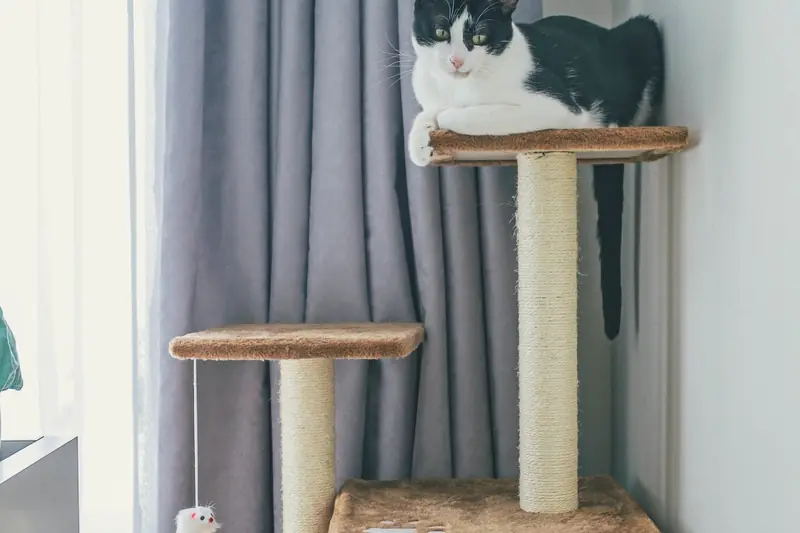
Best Cat Trees
A tree with perches and hideaways gives a cat its own spot, away from flowers and plants.
-
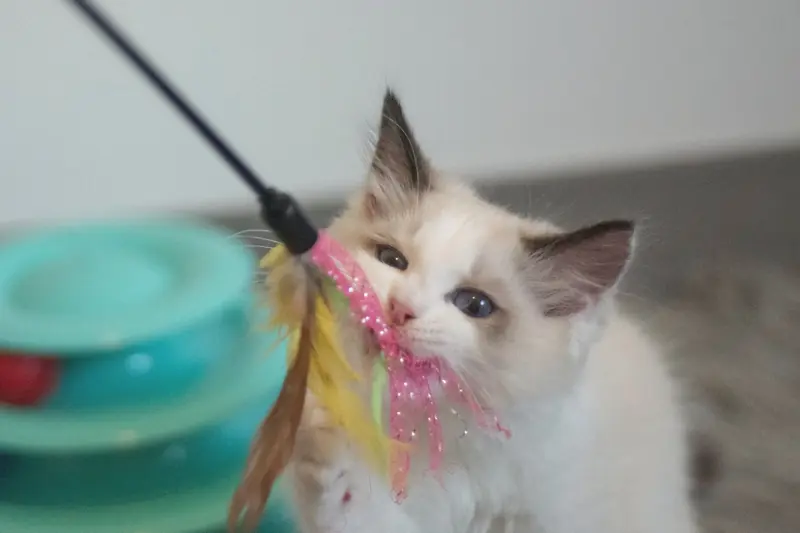
Best Interactive Cat Toys and Puzzle Feeders
Play keeps an indoor cat busy; see the guide for toys that suit prey-style play.
FAQ
Are all lilies toxic to cats?
True lilies and daylilies are toxic. Calla lily, peace lily and Peruvian lily are less harmful but are not safe (FDA).
Can lily pollen hurt a cat?
Yes. The FDA says licking a few pollen grains off fur can be enough (FDA).
What number do I call?
The ASPCA Animal Poison Control Center: (888) 426-4435, open 24 hours a day, 365 days a year; a consultation fee may apply (ASPCA).
Related
-
Guide
Indoor Cat Enrichment: The Five Pillars, Explained
The AAFP/ISFM five pillars turned into a home checklist.
-
-
Buying guide
Best Interactive Cat Toys and Puzzle Feeders
Wand, electronic and puzzle toys compared on motion, parts and upkeep.
-
Guide
Why Cats Scratch, and How to Save Your Sofa
Four reasons cats scratch, scratcher choice and placement, and why vets oppose declawing.
-
Gift guide
Gifts for Cat Lovers (and Their Cats)
Stocking stuffers to smart gear, grouped by who you are shopping for.
Get the Cat-Ready Home Checklist
A printable checklist built on AAFP, ASPCA, Cornell and FDA guidance, from how many litter boxes you need to which flowers to keep out. Free, and sized for the fridge door.