Best Cat Trees
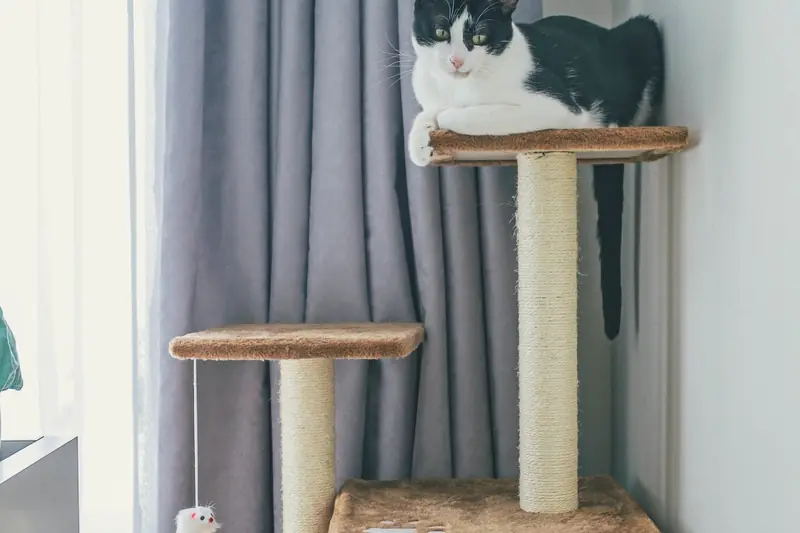
A cat tree gives an indoor cat height, a scratching surface and a place to rest in one piece of furniture. The decisions that matter are stability, perch size and whether the tree suits your cat's size. This page is for owners buying a first tree, replacing a wobbly one or adding vertical space for a large cat.
Jump to section
What we look for
Stability
a wobbly tree gets avoided, so base size and weight come first.
Height
elevated areas add vertical space, which the AAFP/ISFM guidelines recommend.
Perch size
a perch should be wide and long enough for your cat to stretch out fully.
Sisal scratching posts
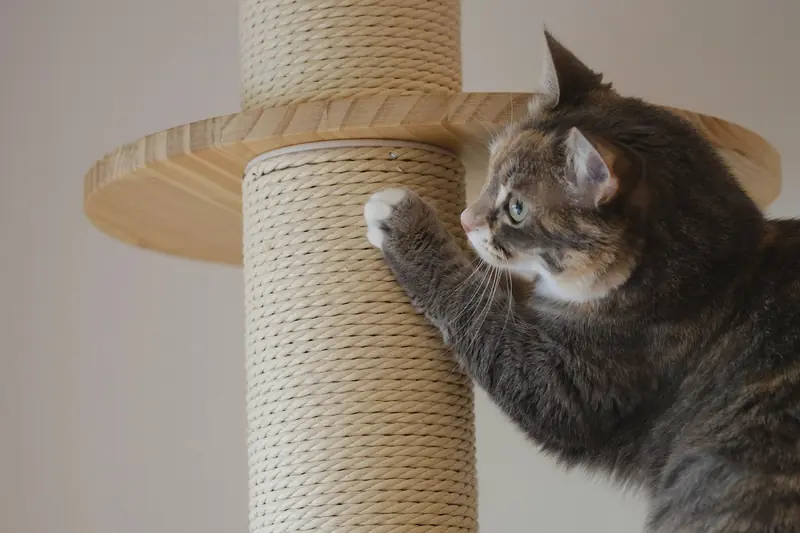
sisal-covered surfaces work as scratching areas, so a tree with posts doubles as a scratcher.
Hideaways
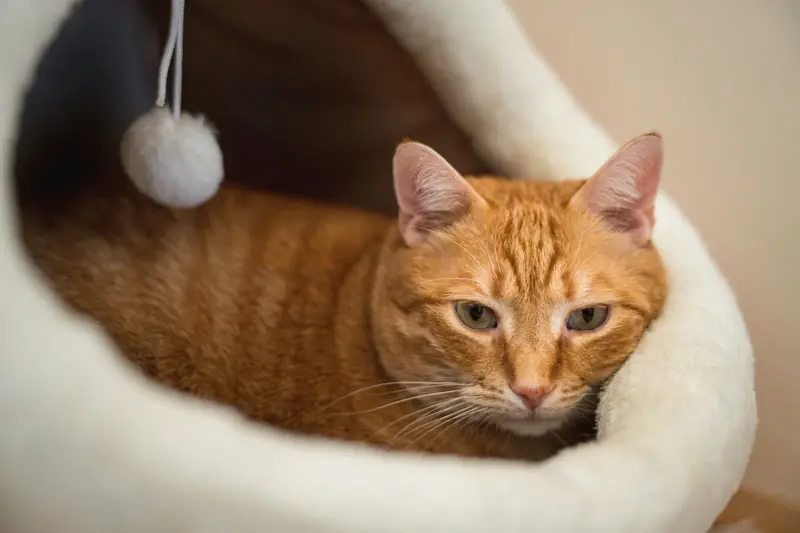
cats need a safe, private place, and a condo or covered nook provides one.
Replaceable parts
posts and covers wear out, so a tree with replaceable parts lasts longer.
- Sources: manufacturer product pages and manuals, warranty terms, and the AAFP/ISFM environmental needs guidelines for vertical space and perch size.
How to choose the right cat tree
Cat trees are furniture, so size and stability matter as much as looks. Read why cats scratch before you pick a surface, and see indoor cat enrichment for how vertical space fits into a healthy home.
Think about where the tree will sit and how many cats will use it. The AAFP/ISFM guidelines say perches should be wide and long enough for the cat to stretch fully out, and that sisal-covered surfaces work as scratching areas (AAFP/ISFM). Read the Largest perch column with your biggest cat in mind, and check the base footprint and the maker's maximum cat weight before you trust a tall design.
A tree also gives a cat a legitimate scratching outlet, since scratching is normal behavior, and the FelineVMA says a scratcher near sleeping spots helps (FelineVMA). In a home with more than one cat, the guidelines call for multiple separated resources, so several platforms and hideaways let cats choose their own space.
Stability
Compare the base footprint and the maker's weight limit. A wide base and a heavy build help a tree stand firm when a cat jumps. A tree that sways is less useful and less safe. Check whether the listing says the tree can be anchored to a wall, and follow the assembly steps exactly.
Height
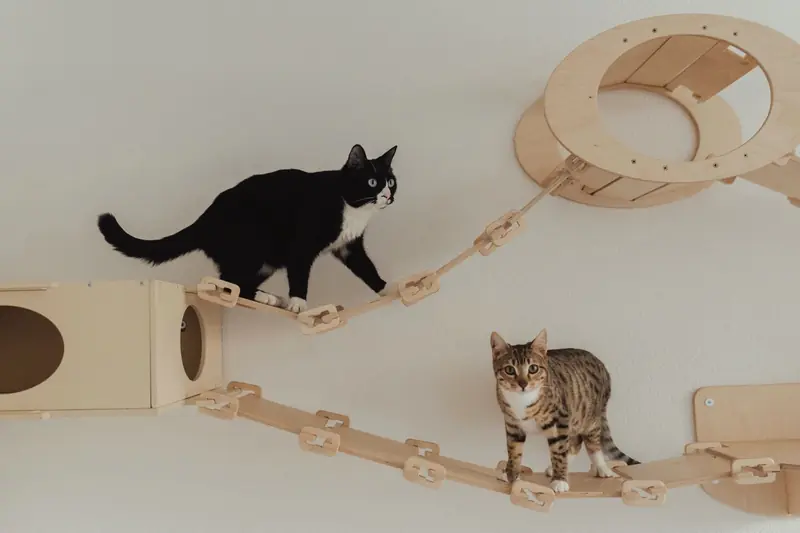
The AAFP/ISFM guidelines say elevated areas increase vertical space and let a cat watch its surroundings (AAFP/ISFM). Check the height column against your ceiling and where the tree will stand. Taller is not always better in a small room, so look at how the tree sits in the space as well.
Perch size
The AAFP/ISFM guidelines say perches should be wide and long enough for a full stretch (AAFP/ISFM). Check the largest perch column against your cat. A big cat needs a bigger platform than the average tree offers, so a tree sold as large is worth comparing on this number.
Sisal scratching posts
The AAFP/ISFM guidelines note that sisal-covered surfaces work as scratching areas (AAFP/ISFM). Count the sisal posts in the spec table. See our guide on why cats scratch for material and placement.
Hideaways
The AAFP/ISFM guidelines say cats need a safe place to hide, often raised (AAFP/ISFM). A condo or covered nook on a tree can serve that purpose. Check the condo count and the interior size against your cat.
Replaceable parts
Check whether the maker sells replacement posts, covers or cushions. A tree you can refresh is worth more than one you must throw away when the sisal frays. Look at the warranty terms in the listing too.
Tips for using your cat tree
- Put the tree where your cat can see outdoors; the AAFP/ISFM guidelines say indoor resting areas should give a view outdoors (AAFP/ISFM).
- Add a scratching post beside the cat's sleeping spot if the tree sits somewhere else.
- In a multi-cat home, look for more than one level so cats can choose their own space.
- Check the replaceable parts on the listing, so a worn post does not mean replacing the whole tree.
FAQ
Why do cats need height?
The AAFP/ISFM guidelines say elevated areas increase vertical space and let a cat monitor its surroundings (AAFP/ISFM).
How big should the perches be?
Wide and long enough for the cat to stretch out fully, according to the AAFP/ISFM guidelines (AAFP/ISFM).
Where should I put a cat tree?
The guidelines say indoor resting areas should give the cat a view outdoors, so a window spot works well (AAFP/ISFM).
Related
-
Buying guide
Best Cat Scratching Posts and Scratchers
Height, orientation, material and base weight, side by side.
-
-

Buying guide
Best Interactive Cat Toys and Puzzle Feeders
Wand, electronic and puzzle toys compared on motion, parts and upkeep.
-
Guide
Why Cats Scratch, and How to Save Your Sofa
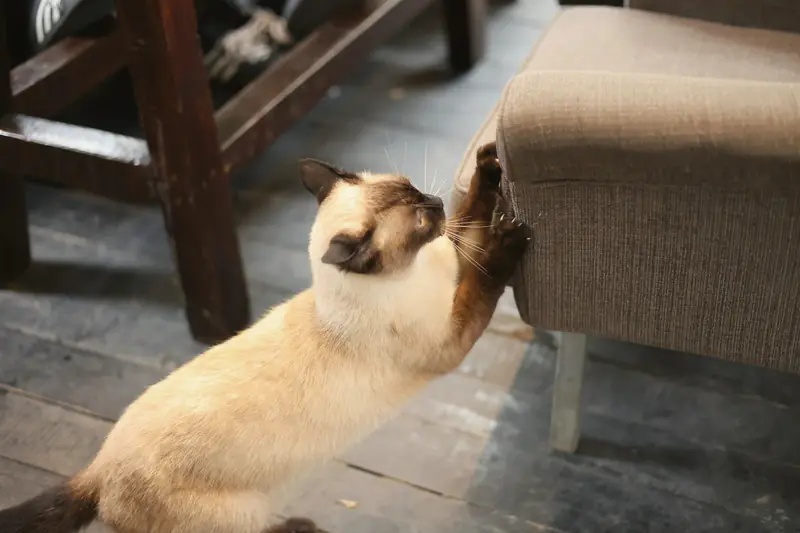
Four reasons cats scratch, scratcher choice and placement, and why vets oppose declawing.
-
Guide
Indoor Cat Enrichment: The Five Pillars, Explained
The AAFP/ISFM five pillars turned into a home checklist.
Get the Cat-Ready Home Checklist
A printable checklist built on AAFP, ASPCA, Cornell and FDA guidance, from how many litter boxes you need to which flowers to keep out. Free, and sized for the fridge door.